When working in environments where flammable gases, vapors, liquids, or combustible dust are present, even a tiny spark can lead to a serious incident. This is where non-sparking hammers come in — specialized tools designed to minimize the risk of sparks when striking or impacting surfaces. Understanding how these tools work and how to use them correctly is essential for professionals working in safety-critical industries.
A non-sparking hammer is a striking tool specifically engineered to reduce the likelihood of producing sparks when it contacts metal or other hard surfaces. Unlike traditional steel hammers, which can generate sparks during impact, non-sparking hammers are made from non-ferrous, non-magnetic metals that are less prone to producing incendiary sparks under normal use. These characteristics make them suitable for situations where ignition sources must be controlled.
Non-sparking Sledge hammers are most valuable in hazardous work environments where combustible atmospheres may exist. Examples include:
Chemical processing plants where flammable vapors are present
Oil and gas facilities, including refineries and storage areas
Mining operations with combustible dust or gas pockets
Explosives handling zones and pyrotechnics manufacturing
In these settings, reducing spark generation is a key part of preventing fires and explosions. Using the appropriate tools contributes to a safer working environment for personnel and equipment.
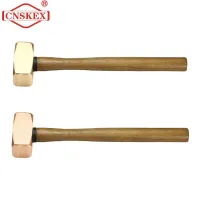
The core purpose of a non-sparking hammer is to significantly lower the risk of spark generation compared to standard steel tools. These hammers are made from materials that tend not to produce high-temperature sparks upon impact. However, it’s important to understand that they do not eliminate sparks entirely — rather, they generate very low-energy or “cold” sparks, which are less likely to ignite a flammable atmosphere. This reduced spark intensity helps maintain safety without compromising basic striking function.
Non-sparking hammers are typically crafted from non-ferrous alloys, such as:
Aluminum bronze — offers good resistance to sparking and moderate strength
Beryllium copper — combines excellent non-sparking properties with greater hardness
Brass or other copper alloys — lower spark risk but usually softer and wear faster
Each material has trade-offs. For example, softer alloys may wear more quickly than steel, requiring careful use and regular inspection. Meanwhile, alloys with higher strength can be more expensive but offer improved longevity and performance in demanding tasks.
To get the most out of a non-sparking hammer and ensure ongoing safety:
Inspect the tool regularly before use to check for wear, cracks, or damage to the striking face.
Keep the hammer clean and free of ferrous metal residue, as contamination can compromise non-sparking properties.
Use the right hammer for the job, matching weight, balance, and head type to the task.
Avoid striking hardened steel or inappropriate surfaces, which can damage the hammer and reduce effectiveness.
Follow proper storage and maintenance practices, such as keeping tools dry and storing them where they won’t gather dust or corrosive materials.
Good tool care and adherence to safety procedures help ensure that the hammer performs as intended and contributes to a safer worksite.
Non-sparking hammers are valuable tools for professionals working in flammable or explosive environments. By minimizing the risk of spark generation, they help protect workers and facilities from dangerous ignition events. Understanding the appropriate materials, applications, and safe handling practices ensures that these Non-sparking tools deliver maximum benefit. Whether you’re in chemical processing, oil and gas, mining, or another industry where safety is paramount, selecting and maintaining the right non-sparking hammer is a key part of maintaining a safe and compliant workplace.




Comments
0