Pattern rollers play a critical role in many manufacturing and processing industries. By applying specific surface textures or patterns onto materials, they enhance grip, appearance, functionality, or downstream processing performance.
Despite their wide use in rubber processing, conveyor manufacturing, printing, packaging, textiles, and plastics, pattern rollers often raise the same practical questions among engineers and buyers. Understanding these questions helps ensure the roller performs as intended and delivers long-term value.
Below are the five questions most commonly asked when evaluating pattern rollers.
A pattern roller is a cylindrical roller with a designed surface texture or engraved pattern used to transfer impressions, textures, or functional designs onto materials as they pass through a production line.
Pattern rollers are commonly used to:
Increase friction or anti-slip properties
Improve material tracking or feeding
Create decorative or functional surface finishes
Assist material release or separation
Control thickness or pressure distribution
Applications range from conveyor belt production and rubber sheets to films, paper, textiles, and composite materials.
One of the most common questions concerns pattern options.
Pattern rollers can be manufactured with a wide variety of surface designs, including:
Diamond or chevron patterns
Linear or cross-hatched grooves
Dot, knurling, or grid patterns
Custom logos or functional geometries
Pattern depth, spacing, and geometry are selected based on the required grip, material flow, surface finish, and wear resistance. Custom patterns are often developed to meet specific production or performance requirements.
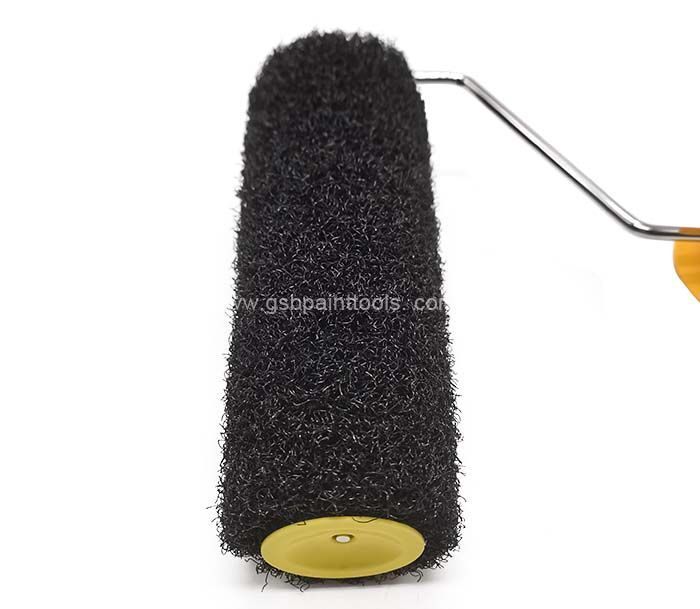
The performance and durability of a pattern roller depend heavily on its material.
Common materials include:
Steel or hardened alloy steel for high pressure and long service life
Stainless steel for corrosion resistance
Rubber-coated rollers for flexibility and softer contact
Polyurethane-coated rollers for abrasion resistance and elasticity
Material selection is influenced by load, operating temperature, chemical exposure, and the type of material being processed.
Durability is a major concern, especially in high-speed or continuous production lines.
High-quality pattern rollers are designed with:
Precision machining or engraving
Surface hardening or coating treatments
Balanced construction to minimize vibration
Strong bonding between core and surface layer
When properly designed and matched to the application, pattern rollers offer long service life with minimal pattern wear. Premature failure is usually caused by excessive pressure, abrasive materials, or improper alignment rather than the roller itself.
Selecting the right pattern roller involves more than choosing a pattern.
Key considerations include:
Material type and thickness
Required surface grip or finish
Line speed and contact pressure
Operating environment (heat, moisture, chemicals)
Required surface lifespan and maintenance interval
In many cases, working closely with a manufacturer to customize the pattern, roller material, and surface treatment ensures optimal performance and reduces downtime.
Pattern Painting rollers are essential components in many industrial processes, providing surface control, grip, and functional performance where flat rollers cannot. While they may appear simple, their effectiveness depends on careful design, material selection, and pattern engineering.
By understanding what pattern rollers are used for, the types of patterns available, material options, durability factors, and key selection criteria, manufacturers can confidently choose pattern rollers that enhance product quality and production efficiency.
When properly selected and manufactured, pattern rollers deliver consistent results, long service life, and measurable improvements in process performance.




Comments
0